
Ladakh Tours
Are you seeking an adventure to visit Leh and Pangong Lake and experience exploring the peaceful Monasteries in Ladakh?
Arivo Holidays has developed a brilliant itinerary for you, allowing you to beautifully explore Leh and Pangong Lake and enjoy discovering the peaceful Monasteries. This is a very uniquely and specially planned adventure trip just for you.
Take a look at our fantastic tour packages below and book your ideal trip! 👇
No tours found in Ladakh yet
Cities in Ladakh0 Cities
No cities found in Ladakh
Everything About Ladakh
Ladakh: A High-Altitude World Unlike Anywhere Else
Nothing quite prepares you for Ladakh. It's not just another mountain destination — it's a cold desert sitting well above 10,000 feet, where the sky feels closer than the ground, monasteries cling to cliff edges, and roads climb to heights that make your ears pop more than once in a single day. This is a trip that rewards patience and a willingness to move slowly, both because of the altitude and because everything here — the light, the silence, the landscape — asks you to just sit and take it in.
Top Tourist Destinations in Ladakh
Leh, the region's main town, is where most journeys begin — a mix of old bazaars, monasteries and the palace that once housed Ladakhi royalty, all set against a backdrop of barren mountains.
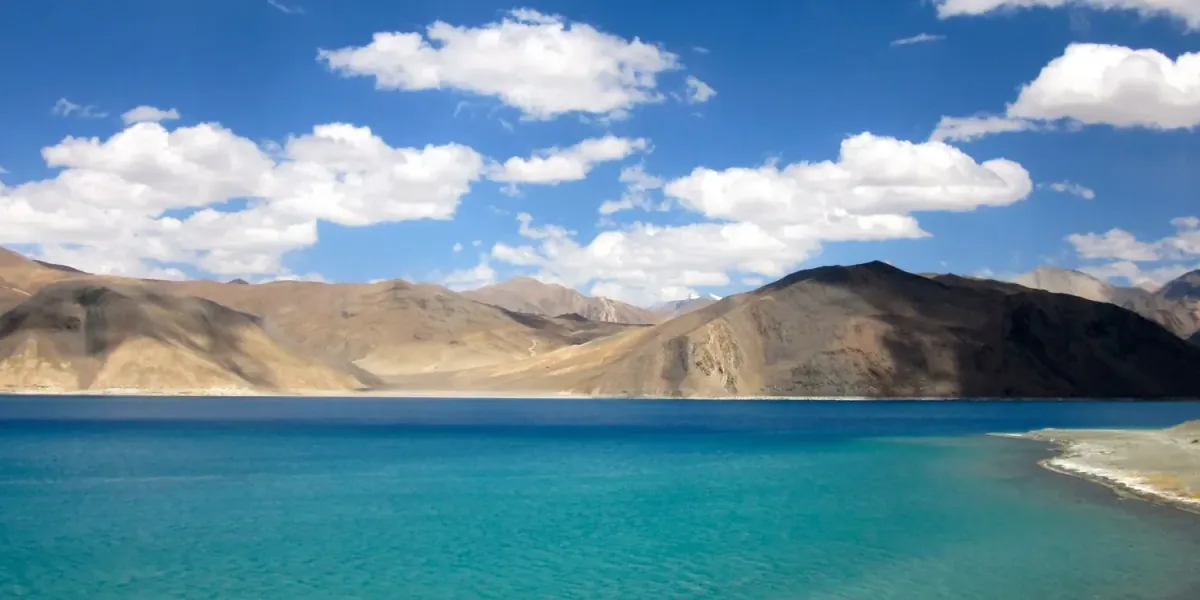
Pangong Tso is the lake everyone comes for — its water shifts through impossible shades of blue depending on the light, and yes, it really does look almost surreal in person.
Nubra Valley, reached via the high-altitude Khardung La pass, feels like a different planet altogether, with sand dunes, double-humped Bactrian camels and monasteries scattered along the Shyok and Nubra rivers.
Tso Moriri, quieter and less visited than Pangong, rewards travellers with a more peaceful, untouched kind of beauty.
Zanskar Valley is Ladakh's more remote, rugged cousin — dramatic gorges, isolated monasteries, and the famous frozen-river Chadar trek in winter.
Hanle, home to one of the world's highest observatories, has recently opened up further and is now a serious draw for stargazers thanks to its officially recognised Dark Sky Reserve.
Turtuk, a village near the Line of Control that only opened to tourists in 2010, offers a gentler, greener landscape and a glimpse into Balti culture rarely seen elsewhere in India.
Top Monasteries and Landmarks in Ladakh
Thiksey Monastery — often compared to the Potala Palace in Lhasa, perched dramatically on a hilltop
Hemis Monastery — the largest and wealthiest monastery in Ladakh, famous for its annual masked dance festival
Leh Palace — a nine-storey former royal residence overlooking the town, offering sweeping views of the valley
Shanti Stupa — a white-domed Buddhist monument built for peace, best visited at sunset
Diskit Monastery, Nubra Valley — home to a giant statue of Maitreya Buddha overlooking the valley below
Magnetic Hill — a stretch of road with an optical illusion strong enough that vehicles appear to roll uphill on their own
Permits You'll Need
Ladakh sits close to sensitive international borders, so certain areas require permits before you can visit.
Indian nationals no longer need the older-style Inner Line Permit for most tourist circuits — instead, you pay the Ladakh Environment and Development Fee online through the official LAHDC Leh portal. This single receipt typically covers Nubra Valley, Pangong Tso, Tso Moriri and Hanle, and is valid for around three weeks depending on your travel dates.
Foreign nationals still need a Protected Area Permit (PAP), usually arranged through a registered travel agency in Leh, and this often requires a minimum group size.
Leh town itself, along with Kargil, Lamayuru and major monasteries like Thiksey and Hemis, don't require any special permit — it's specifically the border-adjacent regions like Nubra, Pangong, Tso Moriri and Hanle where you'll need paperwork sorted in advance.
Note: Ladakh's permit rules have changed more than once in recent years, so it's worth double-checking the current process on the official portal or with a local agent closer to your travel dates.
Best Food to Try in Ladakh
Ladakhi food is built for cold weather and high altitude — hearty, warming, and quite different from the rest of Indian cuisine. Thukpa, a noodle soup with vegetables or meat, is the local answer to a chilly evening, and Momos need almost no introduction at this point. Skyu, a traditional pasta-and-vegetable stew, and Chutagi, a bow-tie pasta soup, are both worth trying if you want something more distinctly Ladakhi. Butter tea, made with yak butter and salt rather than sugar, is an acquired taste but a genuinely local one — even if just for the experience of trying it once.
Best Shopping in Ladakh
Leh's main bazaar is the place for Pashmina shawls, handwoven from the wool of Himalayan goats, along with Tibetan prayer flags, singing bowls and turquoise jewellery. Look out for handmade wool socks and gloves too — genuinely useful given how cold it can get, even in the supposed summer months.
Dress Code in Ladakh
Ladakh's weather swings hard between sun and cold, sometimes within the same day, so layering matters more than any strict dress code. At monasteries, modest clothing is expected — covered shoulders and legs — and it's respectful to remove your shoes before entering prayer halls. Warm jackets, thermal layers, good walking shoes and sun protection (the UV at this altitude is stronger than it feels) are essential no matter the season you're travelling in.
Culture of Ladakh
Ladakh's culture leans heavily on Tibetan Buddhism, and it shows in almost everything — the prayer flags fluttering over passes, the rhythmic chanting inside monasteries, the mani walls and stupas dotting the roadside. Life here has traditionally moved at the pace the land allows, shaped by short growing seasons and long, isolating winters, which is part of why community and hospitality run so deep. Even as tourism has grown, Ladakh has held onto a quieter, more contemplative character that visitors often say stays with them long after they've left.
Major Festivals in Ladakh
Hemis Festival (Jun/Jul): Ladakh's most famous festival, held at Hemis Monastery, featuring masked Cham dances performed by monks.
Ladakh Festival (Sep): A celebration of local culture with folk dances, archery competitions and polo matches held in Leh.
Losar (Dec): The Ladakhi/Tibetan New Year, marked with prayers, feasts and traditional performances.
Thiksey Gustor (Oct/Nov): A monastic festival at Thiksey Monastery featuring ritual dances symbolising the victory of good over evil.
Language Spoken in Ladakh
Ladakhi, closely related to Tibetan, is the everyday language spoken across the region.
Hindi is widely understood in Leh and other tourist areas, given the steady flow of domestic travellers.
English is common in Leh's hotels, restaurants and tour operations, making it easy for international visitors to get by.
Urdu has some presence, particularly in Kargil, which has a different cultural and religious character from Leh.
Traveller tip: A simple "Julley" — Ladakh's all-purpose greeting used for hello, thank you and goodbye — goes a long way and is genuinely appreciated by locals.
One Day Itinerary Suggestions
Leh in a day: Morning at Leh Palace and Shanti Stupa, followed by a walk through the main bazaar, and an afternoon visit to Thiksey and Hemis monasteries.
Nubra Valley in a day (from Leh): Early start over Khardung La pass, camel ride and sand dunes at Hunder, and a stop at Diskit Monastery before heading back.
Pangong Tso in a day (from Leh): Long but worthwhile drive to the lake, a couple of hours by the water, and return via Chang La pass — though an overnight stay by the lake is highly recommended if your schedule allows.
Best Time to Visit Ladakh
June to September is the main travel season, when roads and high mountain passes are open and the weather is at its most manageable. May and early October offer a quieter, slightly cooler alternative with fewer crowds. Winter (December to February) is a different experience altogether — extreme cold, but also the season for the famous Chadar Trek along the frozen Zanskar river, for travellers looking for something more adventurous.
How to Reach Ladakh
Leh has its own airport with direct flights from Delhi and a few other major cities, and flying in is by far the fastest way to reach the region. The road route from Manali or Srinagar is spectacular but seasonal, generally open only between late May and October depending on snowfall, and involves crossing some of the highest motorable passes in the world. Because of the altitude, it's strongly recommended to rest for a day or two in Leh before heading further out, regardless of how you arrive.
Frequently Asked Questions
Simple answers about booking, payments, trip plans and help during your holiday.
Still have questions about your trip?
Talk to our destination specialist for personalized itinerary guidance & custom quotes.