
Heritage & Culture Tours
Looking to explore the hidden gems and enjoy a perfect Heritage & Culture trip?
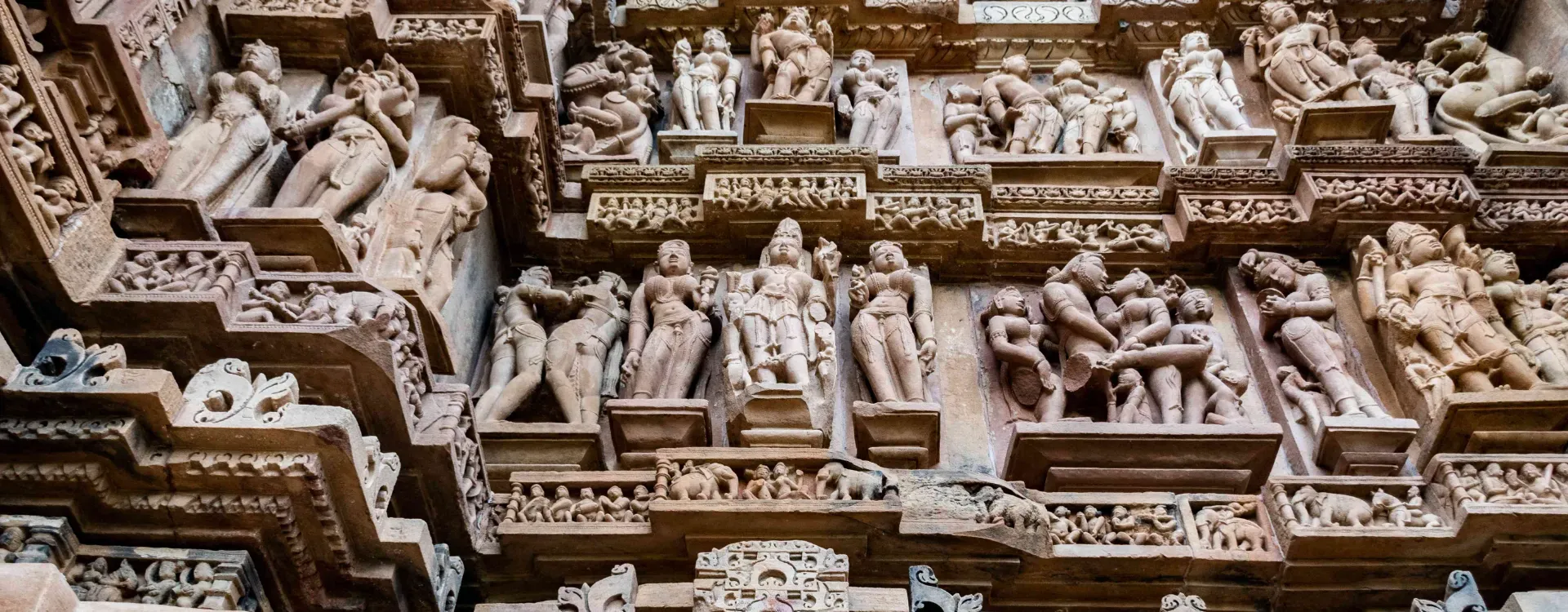
Your search ends here! Trust Arivo Holiday to guide you through a fantastic journey across famous places like Jaipur, Agra, Varanasi, and Khajuraho.
We provide nice cars, great hotels, and very friendly guides to make your trip super fun and perfectly designed for you.
Find your perfect holiday by exploring our amazing Heritage & Culture itineraries below! 👇
Top Cultural & Heritage Destinations: What Makes Each One Special
Golden Triangle (Delhi, Agra, Jaipur): Choose it for a simple, classic trip to famous landmarks—like the Taj Mahal, grand Mughal forts, old city street food, and royal pink palaces.
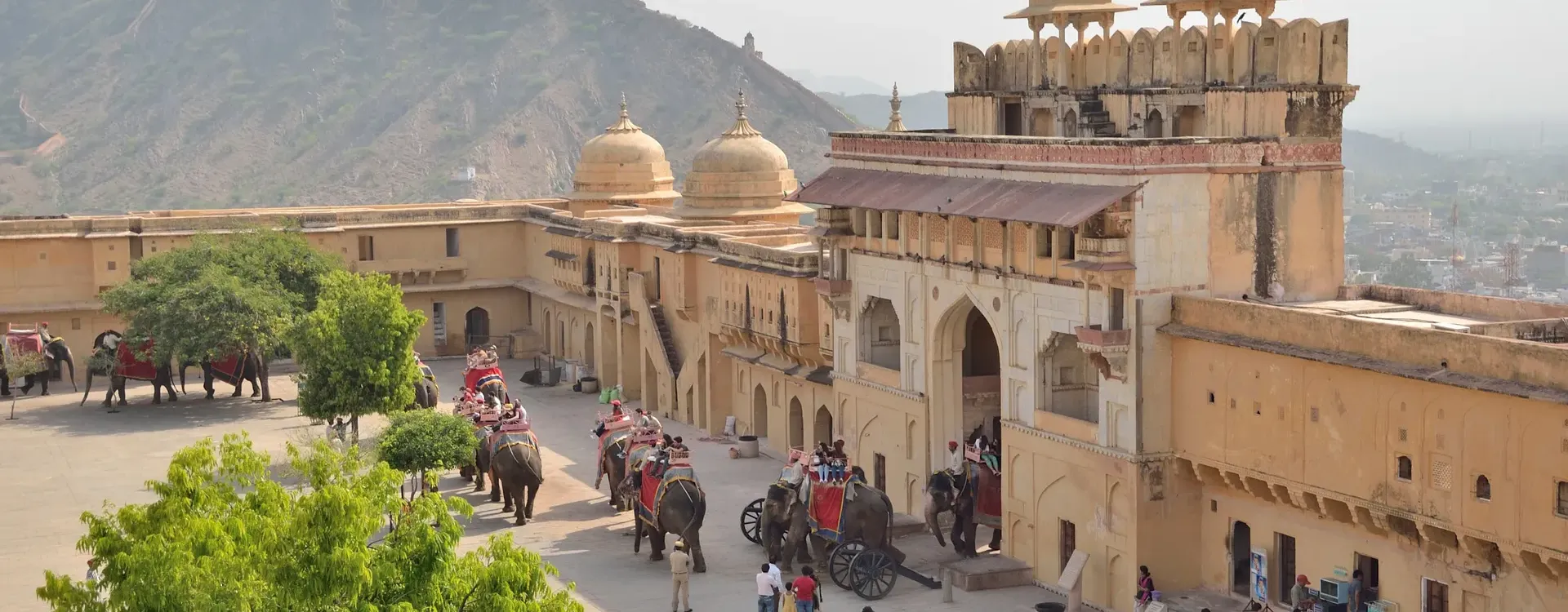
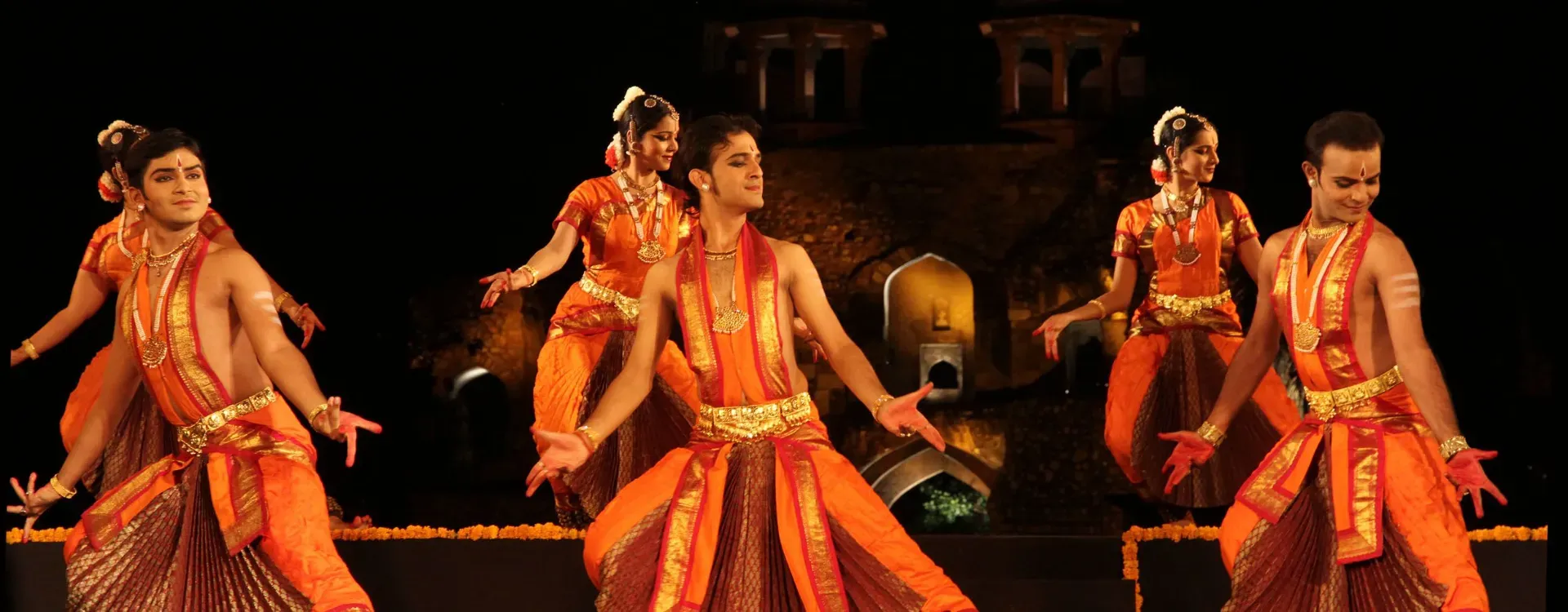
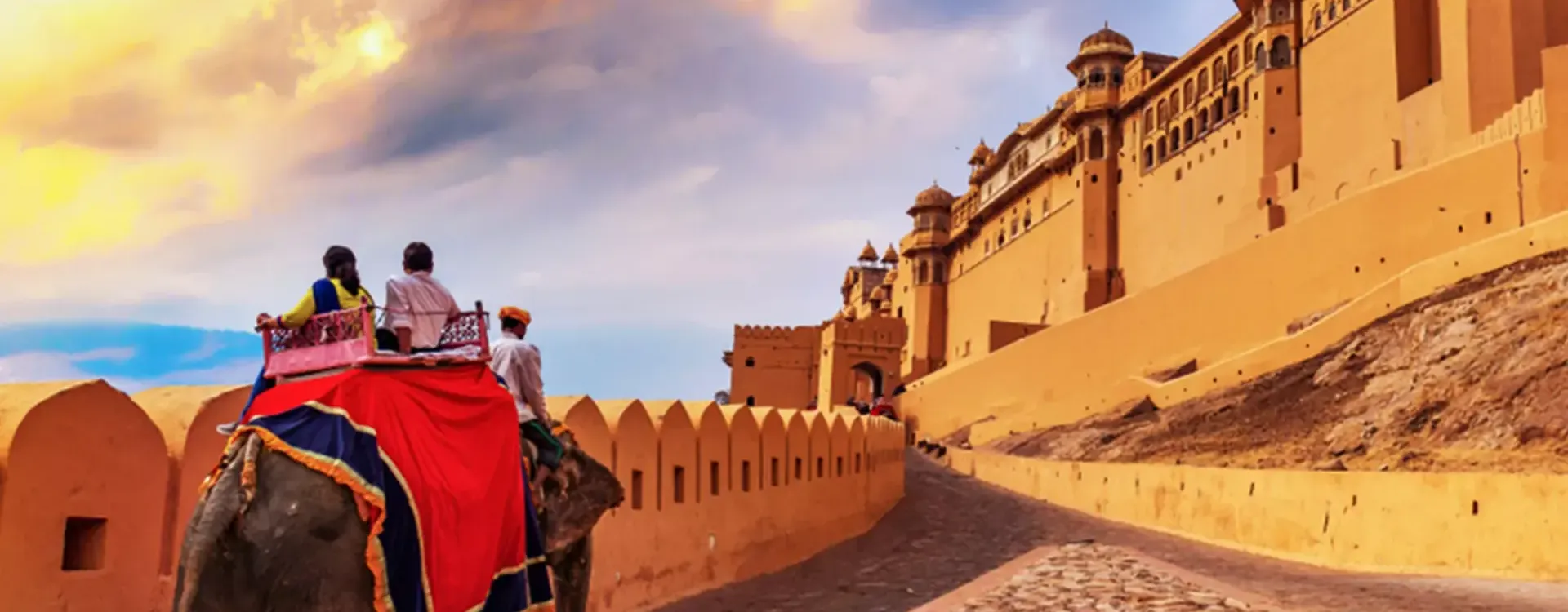
Rajasthan (Udaipur, Jaisalmer, Jodhpur): Choose it to walk through huge desert forts, stay in traditional heritage hotels, and enjoy Rajasthani folk dance, local markets, and royal hospitality.
Mumbai, Maharashtra: Choose it to see a modern city rich in history—from colonial-era heritage buildings and historic caves to beachside life and the heart of Indian cinema.
Varanasi, Uttar Pradesh: Choose it to experience one of the world's oldest cities, peaceful morning boat rides on the Ganges, and the beautiful evening Ganga Aarti.
Amritsar, Punjab: Choose it for rich heritage and warmth—visit the stunning Golden Temple, watch the energetic Wagah Border ceremony, and enjoy famous local Punjabi food.
Understanding India’s Culture: A Practical Travel Guide for Visitors
India’s culture isn’t just something you see in museums; it is an active, living way of life that changes every few hundred kilometers. To help you connect deeply with the places you visit, here is a practical guide to everyday life, clothing, food, and seasonal festivals across North India and Mumbai.
1. Daily Life & Traditional Dress: What People Wear
Clothing in India reflects the local climate, regional history, and dynamic lifestyle. While Western clothing is common in modern metropolitan areas like Delhi and Mumbai, traditional attire remains deeply rooted in everyday life.
In Rajasthan: Women wear vibrant Ghagra-Cholis (long flared skirts with decorated tops) and colorful odhnis (drapes), designed to stand out against the desert landscapes. Men often wear Dhotis or Kurtas paired with colorful Safas (turbans), which signify regional identity and pride.
In Punjab & North Indian Plains: The Salwar Kameez (loose tunic and trouser set) is the standard, comfortable daily wear for women, while men often wear Kurtas. In religious centers like Amritsar, turbans are a central part of Sikh identity.
In Mumbai: Mumbai is a blend of styles. You will see people in modern business wear alongside coastal Maharashtrian attire, such as women wearing traditional Nauvari sarees during cultural celebrations.
Traveler Tip: Loose cotton Kurtas or light linen shirts paired with comfortable trousers are ideal for staying cool while blending in respectfully at heritage sites.
2. Food Culture: Regional Flavors Beyond the Basics
Indian food culture varies dramatically by geography. Each state uses distinct spice blends, cooking techniques, and staple grains.
North Indian Heartland (Delhi, Punjab, UP): Rich, aromatic, and comfort-driven. Meals feature wheat-based breads like Tandoori Roti and Naan, rich lentil dishes (Dal Makhani), slow-cooked gravy preparations, and fresh dairy products like paneer and lassis.
Royal Rajasthani Cuisine: Built for the arid desert climate, traditional dishes use milk, buttermilk, and ghee instead of excess water. Famous dishes include Dal Baati Churma (baked wheat balls served with spiced lentils) and savory gram-flour preparations like Gatte ki Sabzi.
Coastal Mumbai: Known for fresh seafood cooked in coconut and local spices (like Malvani fish curry), alongside famous street classics like Vada Pav (spiced potato patty in a soft bun) and Pav Bhaji.
Dietary Notes: Vegetarian dining is widely practiced and celebrated across India. You will find extensive, flavorful vegetarian menus at every dining level, from simple local joints to fine-dining heritage hotels.
3. Living Festivals: When to Travel for Unique Cultural Experiences
Planning your trip around a major festival gives you a rare look into India’s traditions, community spirit, and visual heritage.
Diwali (The Festival of Lights – October/November):
Where to experience it: Jaipur, Varanasi, and Delhi.
What it feels like: Entire cities are illuminated with thousands of oil lamps (diyas), markets are decorated with fresh marigold flowers, and families exchange traditional sweets. Varanasi’s ghats during Dev Deepawali (fifteen days after Diwali) offer a stunning sight with millions of lamps lit along the Ganges.
Holi (The Festival of Colors – March):
Where to experience it: Jaipur, Udaipur, and the cultural regions around Agra/Delhi.
What it feels like: A vibrant celebration marking the arrival of spring, where people gather in streets and courtyards to throw organic colored powders (gulal), play traditional music, and share festive food.
Ganesh Chaturthi (August/September):
Where to experience it: Mumbai.
What it feels like: Mumbai’s grandest festival. Massive, beautifully crafted idols of Lord Ganesha are welcomed into homes and public pandals. The ten-day event ends with grand street processions and music as the idols are immersed in the Arabian Sea.
Pushkar Camel Fair (November):
Where to experience it: Pushkar, Rajasthan.
What it feels like: One of the world’s largest traditional camel and livestock fairs. Thousands of desert herders, folk musicians, dancers, and artisans gather on the edge of the Thar Desert, creating a dynamic cultural spectacle.
Frequently Asked Questions
Simple answers about booking, payments, trip plans and help during your holiday.
Still have questions about your trip?
Talk to our destination specialist for personalized itinerary guidance & custom quotes.