
Srinagar Tours
Are you hoping to visit the famous Dal Lake and experience staying in Houseboats & Gardens in Srinagar?
Arivo Holidays offers the most authentic itinerary for you to comfortably explore the famous Dal Lake and enjoy staying in Houseboats & Gardens. Every detail is planned specially and uniquely for your enjoyment.
Find the best tour packages waiting for you below and click to book! 👇
10 Days - Golden Triangle with Kashmir: Forts, Palaces & Valleys
Everything About Srinagar
Top Attractions
Weather & Best Time
Srinagar: The Jewel of Kashmir Valley
Set along the banks of the Jhelum River and around the shimmering Dal Lake, Srinagar is the summer capital of Jammu & Kashmir and one of India's most breathtaking hill destinations. Framed by snow-capped mountains, Mughal gardens, and iconic houseboats, Srinagar's blend of natural beauty and centuries of Mughal, Kashmiri, and Central Asian influence gives it a character unlike anywhere else in the country.
Things You Really Shouldn't Skip
Dal Lake and Houseboats — The soul of Srinagar, this vast lake is best experienced with a stay on one of its traditional, ornately carved houseboats, followed by a shikara (traditional boat) ride at sunrise or sunset through the floating gardens and narrow water channels.
Mughal Gardens (Shalimar Bagh, Nishat Bagh, Chashme Shahi) — A trio of terraced gardens built by the Mughal emperors, with Shalimar Bagh in particular famous for its symmetrical layout, chinar trees, and fountains — genuinely one of the finest surviving examples of Mughal garden design anywhere in India.
Shankaracharya Temple — Perched atop a hill overlooking the city, this ancient temple dedicated to Lord Shiva offers sweeping panoramic views of Srinagar and Dal Lake, especially rewarding around sunset.
Hazratbal Shrine — One of Kashmir's most revered Muslim shrines, believed to house a relic of the Prophet Muhammad, set beautifully on the banks of Dal Lake with striking white marble architecture.
Jamia Masjid, Srinagar — A grand 14th-century mosque built in a distinctive Indo-Saracenic style with over 370 wooden pillars, offering a quieter, more historic counterpoint to the city's lake-focused attractions.
Old City and Kashmiri Craft Markets — Wandering through Srinagar's old city lanes reveals the living tradition of Kashmiri crafts — pashmina shawls, papier-mâché, walnut wood carving, and carpet weaving — much of it still made by hand in small family workshops.
Timings and Entry Fees (worth double-checking before you go)
SiteTimingsEntry FeeMughal Gardens (each)8:00 AM – 7:00 PM (seasonal)₹24 Indian / ₹100 foreign (approx.)Shankaracharya Temple8:00 AM – 6:00 PMFree (ID check required)Hazratbal ShrineDaytime hours, open dailyFreeShikara ride (Dal Lake)Flexible, best early morning or evening₹400–1,000 approx. per hour (negotiable)
A heads-up: Shankaracharya Temple involves a security checkpoint and ID verification given its hilltop location, so carry a valid photo ID and allow extra time for the check.
Getting Around
Srinagar's key sites are spread across the city, so hiring a cab or auto for the day is the most practical way to cover the Mughal gardens, temple, and old city in one go. Once on Dal Lake, shikaras are the primary way to move between houseboats, floating markets, and gardens along the water.
What to Eat
Kashmiri cuisine is a highlight in itself, and no visit is complete without trying Wazwan, the elaborate traditional multi-course meal featuring dishes like rogan josh and gushtaba. Don't miss kahwa (traditional saffron-and-spice tea) and Kashmiri bread varieties like sheermal and baqerkhani, widely available across the old city.
Shopping
Srinagar is renowned worldwide for pashmina shawls, hand-knotted carpets, papier-mâché items, and intricately carved walnut wood furniture, with Lal Chowk and the old city's craft lanes being the best places to shop. Buying directly from workshops, rather than tourist-facing showrooms, often means better prices and a chance to see the craftsmanship up close.
What to Wear
Layered clothing is essential given Srinagar's cool climate for much of the year, with proper winter wear needed in the colder months. Modest clothing is appropriate at religious sites like Hazratbal and Jamia Masjid, and comfortable shoes matter for the walking involved around the gardens and old city.
The Feel of the Place
Srinagar has a serene, almost dreamlike quality — mist rising off Dal Lake in the early morning, the gentle creak of a shikara paddle, and mountains framing nearly every view. It's a city that rewards slowing down, whether that's an unhurried morning on a houseboat or simply sitting in one of the Mughal gardens as the light changes over the valley.
Festivals Worth Timing Your Trip Around
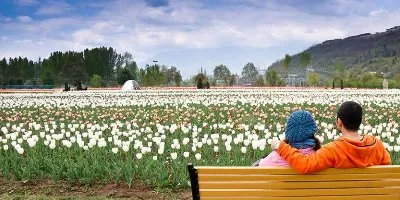
Tulip Festival (March/April): Held at Asia's largest tulip garden on the slopes of the Zabarwan hills, this is one of the most visually spectacular times to visit Srinagar, with millions of tulips in bloom against a backdrop of snow-capped mountains.
Eid celebrations: Given Kashmir's strong Islamic heritage, Eid is celebrated with particular warmth in Srinagar, especially around Hazratbal and Jamia Masjid, offering visitors a genuine sense of local festivity.
A Tip From Experience
Book a houseboat stay in advance rather than arriving without a reservation — this can't be overstated, since good houseboats fill up quickly during peak season, and last-minute options tend to be lower quality or overpriced. Take the shikara ride at sunrise rather than midday, since the lake is calmest and the light softest in the early hours, well before the tourist rush begins.
A Simple Full-Day Plan
Start the morning with a shikara ride across Dal Lake, followed by a visit to Shalimar Bagh and Nishat Bagh. Head to Shankaracharya Temple by early afternoon for the views, then close the day wandering the old city's craft lanes before an evening houseboat stay.
Best Time to Go
April to October offers the most pleasant weather for sightseeing, with spring (April-May) bringing blooming gardens and the Tulip Festival, and summer offering a cool escape from the plains' heat. Winter (December-February) transforms Srinagar into a snow-covered destination, appealing to travellers seeking a completely different, quieter side of the city, though many outdoor attractions operate on reduced hours.
How to Get There
Srinagar International Airport has strong domestic connectivity, with direct flights from Delhi, Mumbai, and several other major Indian cities. The city is also reachable by road via the Jammu-Srinagar National Highway, though this route can be affected by weather and road conditions, particularly in winter, making flying the more reliable option for most travellers.
Frequently Asked Questions
Simple answers about booking, payments, trip plans and help during your holiday.
Still have questions about your trip?
Talk to our destination specialist for personalized itinerary guidance & custom quotes.